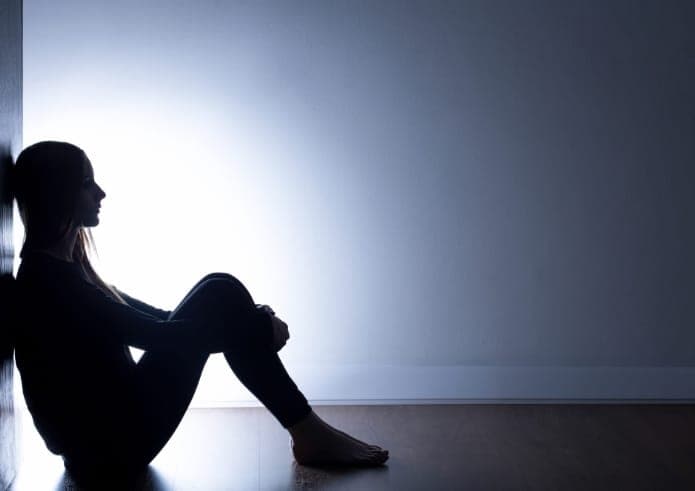
Depression is more than just feeling sad or having a bad day. It's a mental health condition that affects how you think, feel and act. It’s a deep sadness that doesn’t go away easily and can make it hard to enjoy life or do normal things.
Having depression doesn’t make you weak: it’s a genuine medical condition that can impact school, relationships and daily life. Feeling down occasionally is normal, but if these feelings persist for two weeks or more, it might be depression.
You are not alone, and help is always available.
Signs of Depression
People experience depression in different ways. Some signs you might notice include:
- Feeling sad, empty or hopeless most of the time
- Losing interest in things you used to enjoy
- Sleeping too much (or not enough)
- Feeling tired or having no energy
- Finding it hard to concentrate or make decisions
- Seeing changes in eating habits (eating more or less than usual)
- Feeling worthless or guilty
- Withdrawing from friends and family
- Crying more than usual
- Thinking about hurting yourself or having thoughts of suicide
Causes of Depression
Several factors can contribute to depression in adolescents, such as experiencing trauma or abuse, family conflict, the loss of a loved one, academic pressure, bullying, substance use, health problems or a family history of depression.
Sometimes, there’s no clear reason, and that’s OK too. What matters most is getting the support you need. Kids Help Phone
Seeking Help
If you notice new and ongoing changes in your mood, thoughts, and/or actions, talk to a safe adult about it. It could be a parent, teacher, school counsellor, or doctor — what matters is that you connect with someone to get the support you need. Remember that only doctors, psychologists, or psychiatrists can make a diagnosis of depression.
Depression can feel overwhelming, but it is treatable. Professional support such as cognitive behavioral therapy or medication, may help, but the first step toward treatment is to talk to someone you trust.
How Can Depression Be Managed
- Set a routine and try to stick to it: Even small tasks like getting up, eating breakfast, and going for a short walk can help you feel a sense of accomplishment.
- Reach out for professional help: Get in touch with the people who are trained and equipped to help you feel better.
- Get active, even when you don’t feel like it: Exercising and getting fresh air can improve your mood.
- Do what makes you happy: Watch a movie, draw, listen to or play music — whatever calms you down!
- Practice mindfulness or journaling: Writing down your thoughts and emotions or talking about them with someone you trust can help ease your feelings.
- Be kind to yourself: Healing takes time. It’s OK to have ups and downs.
- Talk about how you feel to someone you trust: Talking to friends and family can help remind you that you’re not alone.
Remember
-Depression is a medical condition, not a sign of weakness.
-With the right support and treatment, depression is manageable.
-Taking care of your mental health is just as important as taking care of your physical health.
-Help is available, and recovery is possible. Don't hesitate to reach out.
You're Not Alone
Many young people experience depression. It doesn’t mean something is wrong with you. With the right support, things can get better.